Women face a silent, dangerous form of burnout that often stays hidden behind daily routines. This secret struggle comes from a mix of hormonal shifts, the heavy mental load of juggling work and family, and relentless societal expectations to keep everything perfect. Burnout in women shows up as both emotional symptoms—like irritability, overwhelm, or numbness—and physical signs, such as insomnia and unexplained aches, making it easy to miss and tough to address.

Caregiver burnout is especially common and dangerously overlooked. Maybe you feel constantly drained—not just from your job, but also from being the default support for kids, parents, or loved ones. Hormonal changes can crank up exhaustion in ways you might not even connect to stress.
If you recognize these secret signs of burnout, you don’t have to face it alone. Spotting the warning signals is your first step back to energy and balance.
Key Takeaways
- Burnout in women hides behind unique emotional and physical symptoms linked to hormones and caregiving.
- Mental load and societal pressure ramp up the risk and intensity of female burnout.
- Early action gives you a better shot at recovery and long-term wellness.
What Makes Burnout in Women So Dangerous?

Burnout in women isn’t just regular stress—it’s shaped by your biology, your roles, and the world’s expectations. These factors combine in ways that make burnout harder to spot and treat for women. So, what’s really fueling this?
1. Silent Hormonal Influences
- Hormones like estrogen and progesterone quietly shape your mood, energy, and stress levels.
- PMS, pregnancy, menopause, and thyroid issues can all worsen burnout symptoms—think anxiety, brain fog, or irritability.
- Tracking symptoms alongside your cycle or medical changes can reveal hidden burnout triggers.
2. The Invisible Mental Load
- Planning, remembering, and managing everyone’s needs adds up fast.
- This background “to do” list drains your mental energy, even if you look fine on the outside.
- The emotional labor of smoothing over conflicts or supporting others quietly chips away at your reserves.
3. Societal and Cultural Pressures
- The world expects you to “do it all”—career, caregiving, emotional support—without missing a beat.
- Rest or asking for help? Sometimes that feels like failure, thanks to toxic perfectionism and productivity culture.
- Setting boundaries and prioritizing your well-being isn’t just self-care—it’s survival.
Dangerous Emotional Symptoms of Female Burnout
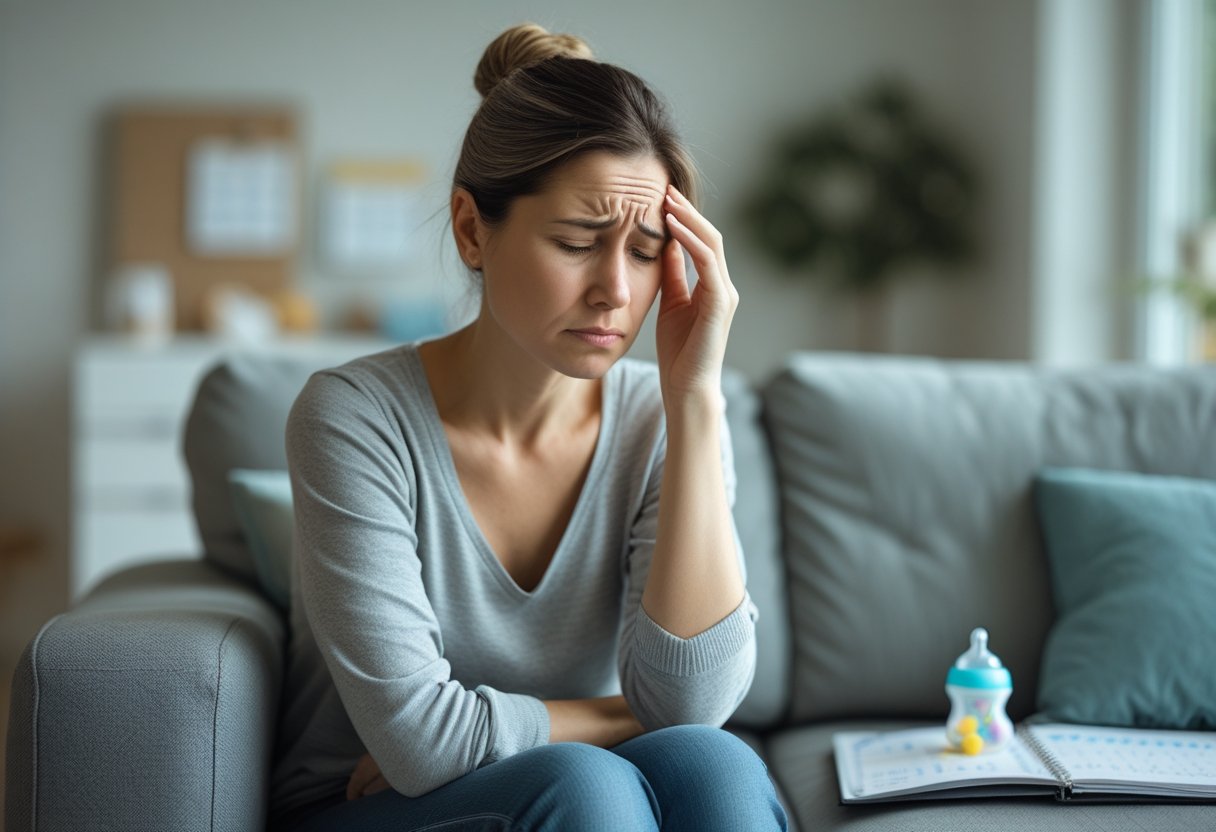
Burnout in women often sneaks up in emotional ways that are easy to brush off—until they’re not. Spotting these secret signals early can help you stop burnout before it spirals out of control.
1. Secret Signs of Chronic Stress
- Constant tension or unease, even without a clear reason
- Trouble focusing, forgetfulness, or feeling emotionally numb
- Loss of motivation or joy in things you used to love
2. Mood Swings & Emotional Exhaustion
- Sudden tears or frustration over small things
- Feeling empty, disconnected, or detached from loved ones
- Difficulty handling even minor daily stresses
3. Increased Anxiety & Irritability
- Restlessness, worry, or a sense you can’t ever relax
- Quick to anger or snap at others over little annoyances
- Relationships strained by constant emotional ups and downs
Physical Warning Signs Specific to Women

Your body often sends out silent distress signals before you realize you’re burned out. These aren’t just “normal tiredness”—they’re deeper, more dangerous signs tied to your unique biology and responsibilities.
1. Unexplained Fatigue & Low Energy
- Feeling wiped out, even after a full night’s sleep
- Quickly exhausted by daily tasks, needing more breaks than usual
- Energy crashes that don’t match your activity level
2. Sleep Disturbances & Hormonal Imbalance
- Trouble falling or staying asleep, waking too early
- Restless nights linked to stress hormones like cortisol
- Worsening PMS or menopausal symptoms alongside sleep issues
3. Recurrent Headaches & Muscle Tension
- Persistent neck, shoulder, or head pain that won’t let up
- Muscle tightness from chronic stress or poor posture
- Physical tension that doesn’t ease, even with rest
The Secret Impact of Caregiver Burnout
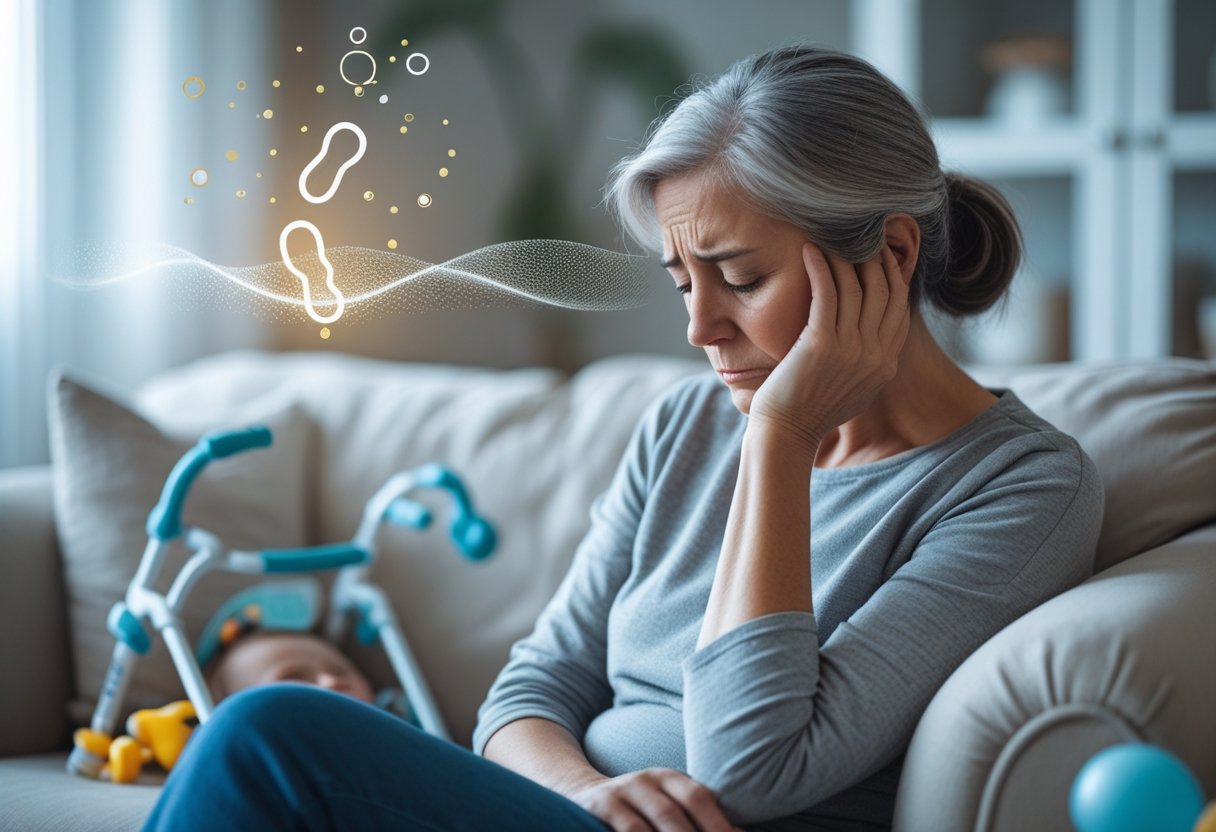
Caregiver burnout can quietly erode your well-being, especially when you’re stretched thin and your own needs fade into the background. Here’s what to watch for:
1. Balancing Multiple Roles
- Constantly switching between caregiver, employee, partner, and more
- Feeling like there’s never a true break or time to recharge
- Energy drains faster because you’re always giving
2. Neglecting Self-Care
- Skipping meals, losing sleep, or dropping exercise to keep up
- Physical and emotional wear and tear that builds slowly
- Small self-care moments can be lifesaving—don’t skip them
3. Invisible Mental Load
- Constantly planning and solving problems for others
- Mental fog, distraction, or trouble relaxing
- Always “on”—even when you try to rest
Check Yourself:
- Forgetting simple things?
- Feeling foggy or always thinking ahead?
- Struggling to unwind?
Women’s Burnout Recovery: 5 Crucial Strategies
Ready to fight back against burnout? These practical steps help you regain control, protect your time, and rebuild your energy. Don’t wait—small changes now can prevent bigger problems later.
1. Set Healthy Boundaries
- Identify what drains you most—work, caregiving, or something else?
- Communicate limits clearly: “I need quiet time after 7 PM.” “I can’t take extra work this week.”
- Use calendars or apps to block out downtime and stick to it
- Remember: saying no protects your health, not just your schedule
2. Add Stress-Reduction Tactics
- Try deep breathing, gentle yoga, or guided meditation—even 5 minutes helps
- Limit screens and social media, especially before bed
- Move your body, eat balanced meals, and prioritize sleep
- Small, steady changes build real resilience
3. Build Your Support System
- Reach out to friends, family, or a support group—don’t go it alone
- Share your struggles and ask for help, even if it feels awkward
- Connecting with others makes recovery faster and less isolating
4. Track Your Patterns
- Keep a simple journal of your mood, sleep, and energy levels
- Notice when symptoms flare up—hormonal cycles, deadlines, family stress?
- Use these clues to adjust your routine and spot burnout early
5. Prioritize Self-Compassion
- Give yourself permission to rest and recover without guilt
- Remind yourself: you’re not failing—you’re human
- Treat yourself as kindly as you would a friend in your shoes
Ready to Break Free from Burnout?
If you recognized yourself in these signs, you’re not alone—and you don’t have to navigate burnout by yourself. As a burnout recovery specialist, I help women like you reclaim their energy, joy, and balance every single day. Why wait for things to get worse?
- Take our free Burnout Assessment Quiz to spot your risk factors and get personalized tips
- Book a complimentary discovery call—limited spots available for one-on-one coaching this month
- Let’s build a recovery plan that fits your real life, not just another generic checklist
Don’t let silent burnout steal another day from you. Click here to start your recovery journey. Your well-being is worth it—and you deserve support that truly understands the secret challenges women face.
Harnessing Support Networks
Let’s be honest—navigating burnout in women can feel isolating, but you don’t have to go it alone. Reach out to trusted friends, family, or professionals who’ll truly listen and get where you’re coming from. Sometimes, just having someone nod along is a relief.
Support groups for women facing burnout exist for a reason. They offer practical tips, emotional release, and a sense that, hey, you’re not the only one struggling. It’s okay to lean on others—you don’t have to carry this silent weight solo.
If things feel especially tough, think about therapy or coaching that focuses on women’s burnout recovery. These support networks—whether formal or just a few good friends—can give you strength, accountability, and fresh ideas when you need them most.
When to Seek Professional Help
Sometimes, burnout in women crosses a line and starts to mess with daily life. If you notice your emotional or physical symptoms getting worse, it’s time to ask for help. There’s no shame in it—actually, it’s smart.
Watch for these dangerous signs:
- Persistent exhaustion that doesn’t go away, even after rest
- Emotional numbness, overwhelm, or feeling unable to cope
- Difficulty concentrating or making decisions
- Frequent headaches, insomnia, or unexplained pain
- Pulling away from social activities or loved ones
- More irritability, anxiety, or depression than usual
If burnout starts to affect your work or relationships, don’t wait. Early intervention can stop burnout from becoming a bigger mental health problem. Professionals can offer coping strategies, therapy, or medical advice tailored to your situation. You might find counseling, coaching, or stress management programs especially helpful.
Asking for help isn’t weakness—it’s a necessary step toward taking back your well-being. Your health matters, and you deserve support, especially when burnout feels overwhelming.
Frequently Asked Questions
Burnout in women is a complex, often silent struggle. Hormones, caregiving, mental pressures, and social roles all play a part. These factors cause emotional and physical symptoms that can look very different from what men experience. Understanding these secret influences can help you spot and address your own burnout more effectively.
1. How do hormonal changes contribute to burnout in women?
Hormonal ups and downs—think menstrual cycles, pregnancy, menopause—mess with your mood and zap your energy. These changes can make you feel more tired, irritable, and stressed than usual. Estrogen and progesterone actually influence brain chemicals tied to mood and sleep. When those hormones go off-balance, your ability to handle stress drops, making burnout sneak up faster.
2. What makes caregiver burnout in women different from general burnout symptoms?
Caregiver burnout comes from the relentless job of looking after kids, aging parents, or others who need you. This role adds a layer of emotional exhaustion and guilt on top of regular stress. Unlike general burnout, caregiver burnout brings deep empathy fatigue and a feeling of being trapped. You might feel drained both mentally and physically, sometimes even resentful, from the nonstop demands.
3. Which signs point to burnout driven by the mental load of societal expectations for women?
The mental load is a dangerous, invisible pressure. You might secretly stress over managing home, work, family, and social obligations—always organizing, planning, and making sure things don’t fall apart. If you feel overwhelmed even when you’re productive, notice chronic tension, or find it tough to relax, the mental load is likely wearing you down. It’s the kind of pressure that quietly saps your energy over time.
4. Does burnout in women look different than in men?
Absolutely. Women juggle roles—employee, caregiver, homemaker—that pile on extra stress. Burnout in women often shows up as intense emotional exhaustion and feeling invisible or undervalued. There’s a lot of silent suffering, trying to meet everyone’s expectations while putting your own needs last. Men’s burnout might show up more as physical exhaustion or irritability, but for women, it’s usually a mix of emotional and physical symptoms that can be hard to untangle.
5. When should a woman seek professional help for burnout?
If you’re stuck in a loop of exhaustion, mood swings, or detachment that messes with daily life, it’s time. When stress leads to physical problems—like sleep issues or headaches—don’t wait. If your responsibilities feel overwhelming or your mental health takes a lasting hit, professional help can guide you back to balance and prevent deeper issues.
Ready to Break Free from Burnout?
If you recognized yourself in these signs, don’t wait—burnout in women is a dangerous, silent epidemic, but you don’t have to fight it alone. Our burnout coaching services are designed especially for women and professionals who need real, actionable support. Want to know where you stand? Take our free Burnout Course—it’s self paced, and could be the first step toward your recovery. Spots for one-on-one coaching are limited, so if you’re ready to reclaim your energy and joy, apply now before they’re gone. Your well-being is worth it—let’s tackle this together.
Silent Physical Signs of Burnout in Women
Burnout in women often shows up as relentless fatigue, tight muscles, and nagging headaches. Many also struggle with digestive issues or can’t seem to get restful sleep—classic female burnout symptoms that just won’t quit.
Hormonal shifts can secretly make everything worse. You might notice hot flashes, irregular periods, or feel extra sensitive to pain. These dangerous physical signals aren’t just in your head—they’re your body’s way of waving a red flag about burnout.