Anxiety isn’t just in your head—it’s in your body, too, often in ways you might brush off as “just stress” or something else. Maybe you’ve got tense shoulders, random stomach issues, or headaches that show up out of nowhere. Spotting these physical symptoms is a big step toward understanding and managing your anxiety—and, honestly, feeling better overall.
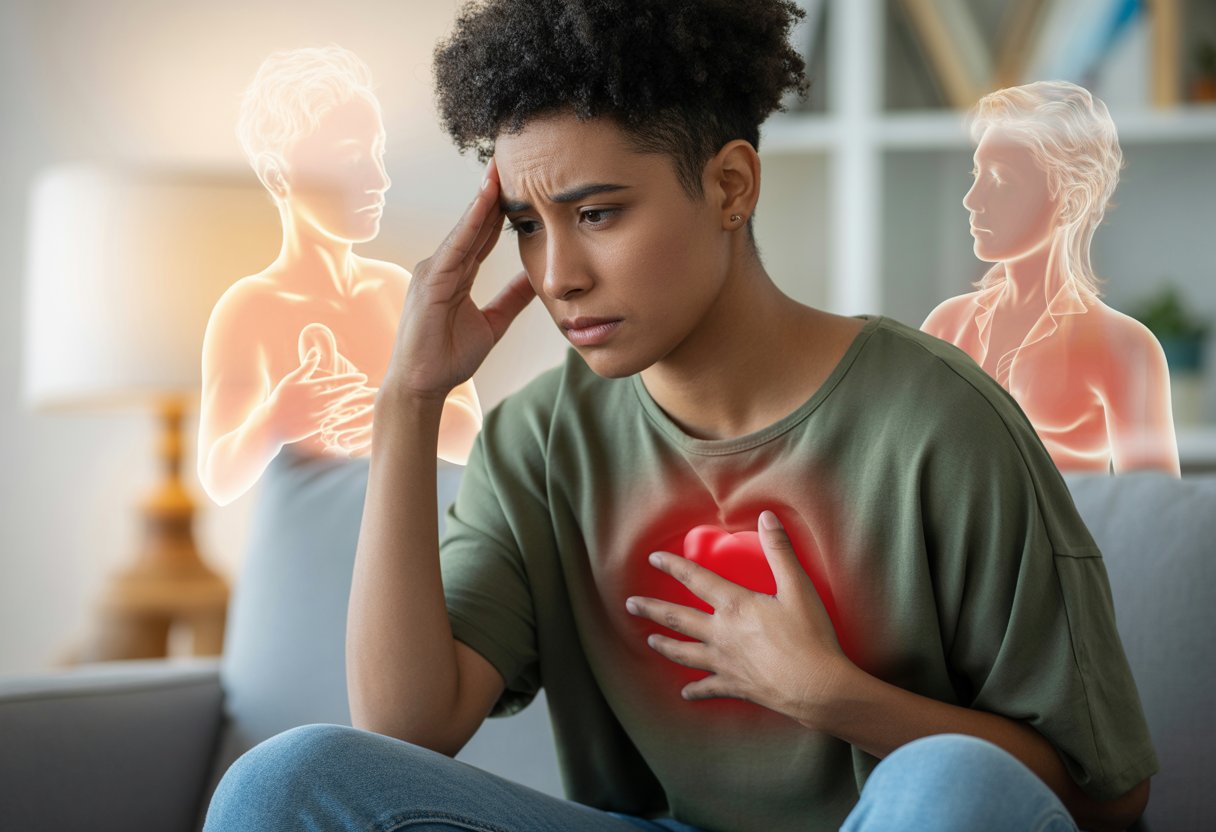
Your body often sends out warning signals long before your mind puts two and two together. These signs can be sneaky—easy to dismiss—but they chip away at your energy and mood. If you start paying attention to how anxiety crops up physically, you’ll have more control and know when to reach out for support.
Anxiety sometimes hides behind everyday aches or weird symptoms, so it’s easy to miss the connection to stress. But once you learn what to look for, you can catch anxiety in the act and start easing your body’s reactions. Throughout this article, you’ll find practical steps to calm both your mind and body.
Quick Symptom Checklist: Physical Signs of Anxiety
- Racing or pounding heart
- Chest tightness or pain
- Shortness of breath
- Muscle tension or aches
- Stomach pain, nausea, or digestive changes
- Headaches or dizziness
- Sweating or chills
- Tingling or numbness
- Trouble sleeping
If you ticked off a few of these, anxiety could be playing a bigger role in your life than you realize. For more on early warning signs, visit our hidden symptoms of burnout guide.
Understanding Anxiety’s Impact on the Body
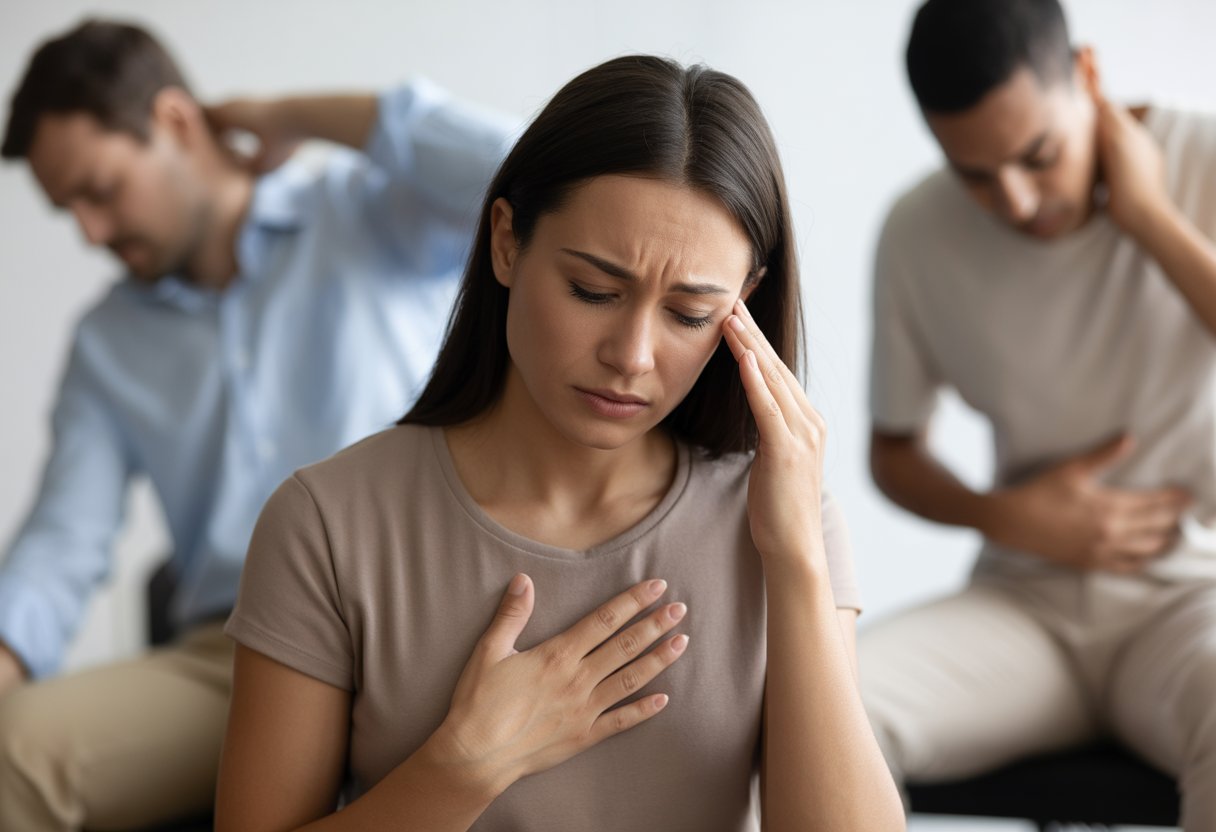
Anxiety doesn’t just mess with your thoughts. It sets off a chain reaction in your body, thanks to your nervous system’s built-in alarm system. Even if there’s no real danger, your body acts like there is. Knowing what’s happening under the surface can help you spot anxiety’s physical side sooner.
What Happens in the Body During Anxiety?
When anxiety hits, your body goes into “fight or flight” mode. Your heart speeds up, your breathing gets shallow, and muscles tense—sometimes before you’re even aware you’re anxious. Stress hormones like adrenaline flood your system, prepping you to react fast.
You might get dizzy or sweaty, or suddenly run to the bathroom with nausea or diarrhea. Blood flow shifts away from your gut and toward your muscles, making digestion take a back seat. Breathing speeds up to get more oxygen to your brain and limbs.
Short bursts of this are normal, but when anxiety sticks around, these symptoms can wear you down and mess with your day-to-day. The earlier you notice, the easier it is to manage. You’ll find more about these changes at understanding anxiety and its effects on the body.
Why Does Anxiety Affect the Body?
Your thoughts and feelings have a direct line to your physical state. Worrying sends signals from your brain that trigger things like tension or headaches. Unfortunately, those physical symptoms can loop back and make your anxiety feel even worse. It’s a frustrating cycle.
Good news: calming your mind can help your body chill out, too. Deep breathing, meditation, or just talking to someone supportive can take the edge off. Focusing on this mind-body link is a big piece of the puzzle. Check out emotional resilience tools if you’re ready to try some simple techniques. For a deeper dive, see mentalhealthwellnessmhw.com.
Hidden Physical Signs of Anxiety: What Most People Miss
Lots of folks think anxiety is all in your head, but that’s just not true. Heart palpitations, stomach cramps, muscle aches—these can all be anxiety, not just random physical problems. Sometimes people worry these symptoms mean something’s seriously wrong, but anxiety alone can cause dramatic effects (without lasting harm).
Don’t ignore physical symptoms just because they seem unrelated. Spotting them for what they are is the first step to getting help. For more on easing physical symptoms, check out health.harvard.edu.
Can Anxiety Cause Chest Pain? Cardiovascular Symptoms Explained
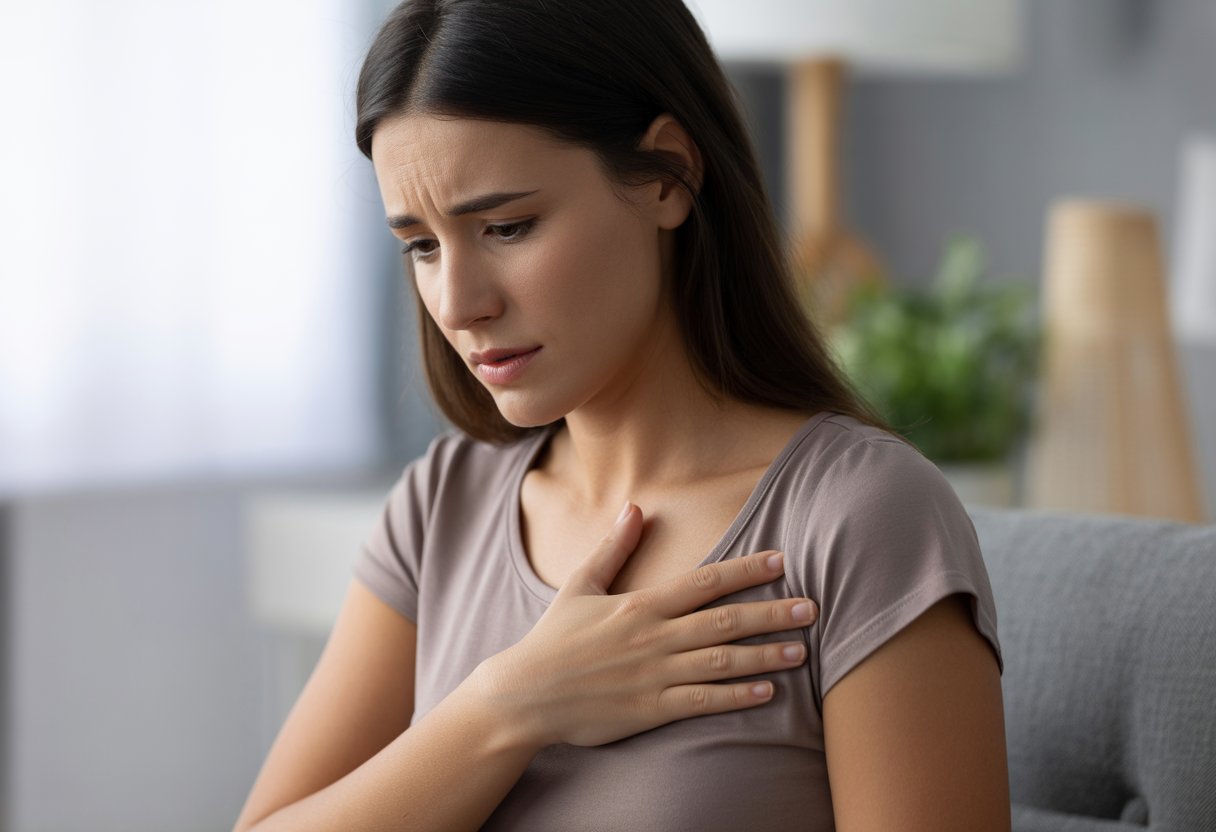
Anxiety loves to stir up drama in your heart and chest. These sensations can be scary—sometimes they even mimic heart problems—but they’re usually your body’s stress response doing its thing. Let’s break down the most common heart-related symptoms.
Heart Palpitations
Palpitations feel like your heart is pounding, fluttering, or skipping beats. They can hit out of nowhere and last seconds or minutes. Anxiety ramps up adrenaline, which makes your heart beat faster and harder. It’s unsettling, but if you don’t have heart disease, it’s rarely dangerous. If palpitations stick around or come with chest pain or fainting, talk to your doctor to be safe.
Chest Tightness or Pain
Chest tightness from anxiety feels like pressure, heaviness, or a squeezing sensation. It often gets worse when you try to take a deep breath. This happens because stress tenses up your chest muscles and speeds up your heart. Anxiety chest pain is different from heart attack pain, but if you ever get sharp, severe, or lasting pain, get checked out right away.
Rapid Heartbeat
A racing heart is classic anxiety. You might feel your pulse pounding, even while you’re just sitting there. This is your nervous system kicking into high gear. It’s uncomfortable, but if you know what’s causing it, you can use slow breathing or grounding techniques to bring it down. For more, see anxiety and heart symptoms.
Why Anxiety Affects Breathing: Respiratory Symptoms
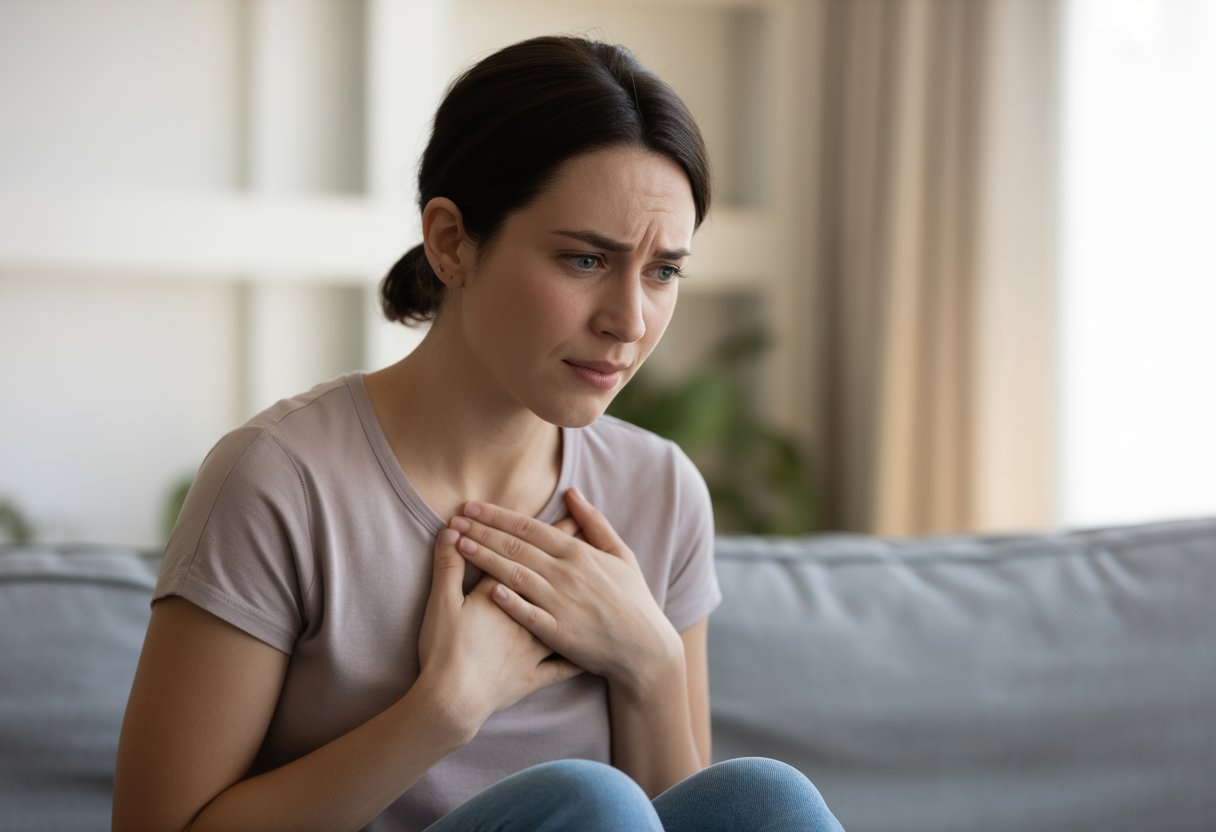
Breathing changes are one of anxiety’s calling cards. You might notice your chest feels tight, you’re struggling to catch your breath, or you get that weird “can’t breathe” feeling. Let’s look at what’s really happening.
Shortness of Breath
Feeling like you can’t get a full breath is super common during anxiety. Stress makes you breathe faster and more shallowly, which can feel like you’re not getting enough air. This sensation usually comes on quickly, especially during panic or high-stress moments. If it happens a lot, check in with your healthcare provider just to rule out other causes. Usually, slowing your breathing helps. Try these tips for shortness of breath from anxiety.
Hyperventilation
Hyperventilation is when you breathe too fast or too deep, blowing off too much carbon dioxide. That can make you dizzy, tingly, or lightheaded. Anxiety flips this switch as part of the “fight or flight” response. If you start to hyperventilate, pause and try slow, even breaths—in for four, hold for four, out for four. It really can help. Find more ways to handle anxiety breathing symptoms.
Feeling of Suffocation
Ever feel like your throat or chest is closing up, even though you know your airways are clear? That’s another anxiety trick. Muscle tension in your chest and throat can make it feel like you’re suffocating, which, of course, only makes you more anxious. If this hits, focus on relaxing your neck and shoulders, and visualize your airway opening. It’s uncomfortable, but it passes. For more ideas, see our stress recovery habits and this guide on easing anxiety symptoms.
Why Anxiety Upsets Your Stomach: Digestive and GI Symptoms
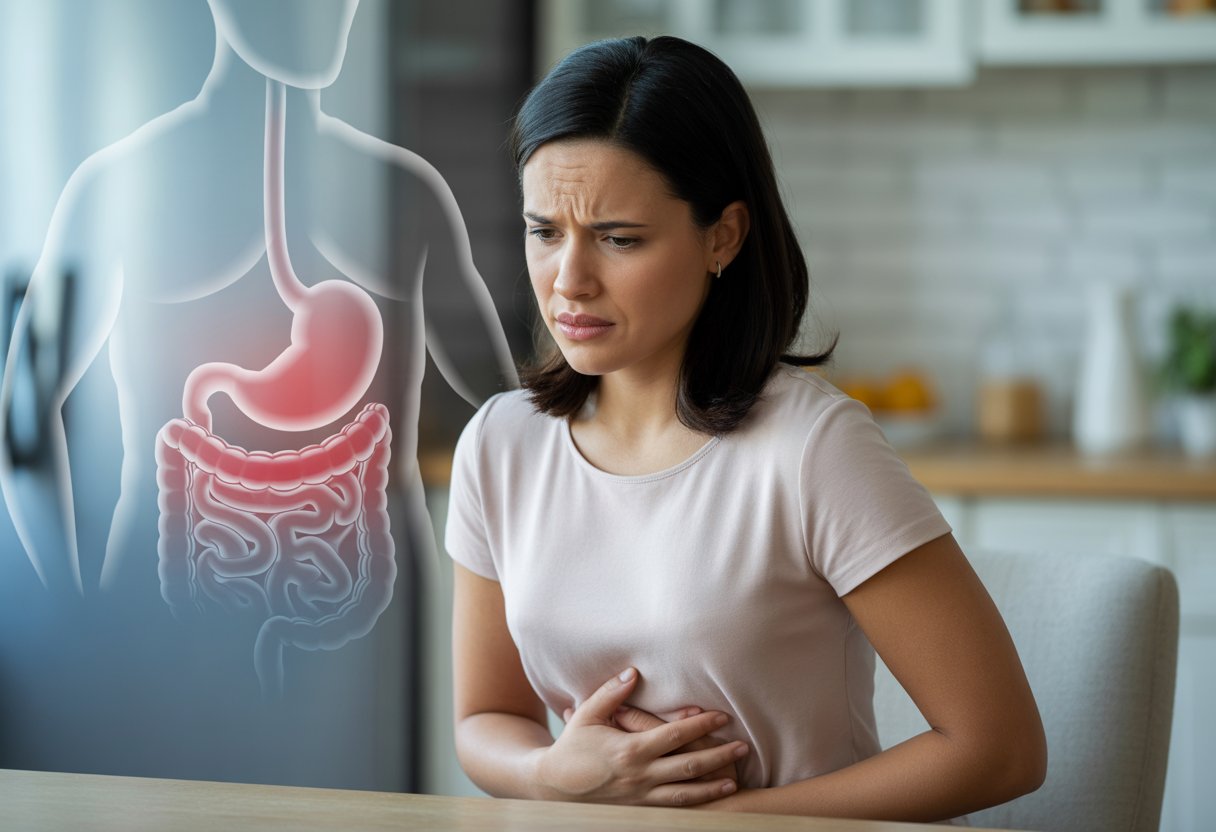
Your gut is basically your second brain, so it’s no wonder anxiety messes with digestion. Stomach pain, nausea, and bathroom trouble are all common—and they can really mess with your day. Here’s what to watch for.
Stomach Pain or Discomfort
Stomach cramps or pain often flare up when you’re anxious. Stress signals slow down or disrupt digestion, and your stomach muscles might tighten, causing anything from dull aches to sharp pains. These symptoms can come and go, unrelated to what you’ve eaten. Heartburn and bloating sometimes tag along, too.
Recognizing this connection can save you from chasing down endless medical tests. For more, see how anxiety causes stomach pain and GI issues.
Nausea
Nausea is a classic anxiety symptom. You might get queasy before a stressful event or during a panic attack. That’s because your brain and gut are in constant conversation, so strong emotions hit your stomach fast. Stress hormones slow digestion and ramp up stomach acid, making you feel sick or lose your appetite.
If this is a frequent issue, working on stress recovery strategies can help. For more on the gut-brain link, check out why anxiety upsets your stomach.
Diarrhea or Constipation
Anxiety can throw your digestion out of sync, leading to diarrhea or constipation. Stress changes how your intestines move and absorb water, so your gut might speed up or slow down—sometimes unpredictably.
Diarrhea often hits suddenly when anxiety spikes, while constipation tends to creep in if stress lingers. Both can make you feel worse and, if left unchecked, might lead to other issues down the line.
You could also notice stomach cramps or an urgent need to go, along with these changes. For a deeper look at how anxiety messes with digestion, check out Anxiety’s Impact on Digestion & Bowel Movements Guide.
Appetite Changes
Anxiety messes with your appetite in all sorts of ways. Some folks lose their desire to eat, while others eat more—usually reaching for comfort foods. Stress hormones are at the root of these shifts, messing with hunger signals in your brain.
If you stop eating, you might feel weak or wiped out. Overeating, on the other hand, can lead to weight gain or make digestive issues like reflux worse.
Try tracking your eating patterns when you’re anxious—it can help you notice trends. Adjusting your stress management habits can bring your appetite back into balance. More on this connection at Digestive Health and Anxiety.
Physical Symptoms of Anxiety: Muscle and Nervous System Reactions
When anxiety shows up in your body, it often triggers physical responses in your muscles and nervous system. These reactions can feel pretty uncomfortable—maybe tightness, odd tingling, or just a sense that something’s off. Recognizing these signs can help you catch anxiety, even if you don’t feel especially nervous in your mind.
Muscle Tension and Stiffness
Notice your shoulders creeping up to your ears or your back feeling tight? Anxiety activates your body’s fight-or-flight mode, prepping your muscles for action. If this tension sticks around, you could end up sore or achy.
Muscle tightness can sneak up on you. You might feel stiff even after resting. Stretching, movement, or simple relaxation exercises can help ease the tension. If you let it go too long, chronic muscle tightness can add to your stress and make it harder to unwind.
Can Anxiety Cause Headaches or Migraines?
Yes—anxiety can definitely bring on headaches or migraines. Muscle tension and changes in blood flow, driven by stress hormones, are usually the culprits. These headaches might feel like a tight band or a sharp pain on one side.
If headaches pop up when you’re anxious, pay attention to your posture and jaw tension. Deep breathing, hydration, and regular breaks can help. If your headaches get severe or frequent, it’s worth talking to a professional.
Tingling or Numbness: Is It Anxiety?
Ever feel tingling or numbness in your fingers, toes, or face? Anxiety can cause this, usually because of shallow breathing or hyperventilation. Your nervous system gets a bit scrambled, so nerve signals go haywire.
Tingling can feel weird or even scary, but it’s usually harmless. It might come with dizziness or shortness of breath. Slowing your breathing and relaxing your muscles can help. If it sticks around, check in with a healthcare provider just to be safe.
For more on how your muscles and nervous system react to anxiety, here’s a detailed guide.
Hidden Physical Signs of Anxiety: Sensory and Cognitive Effects
Anxiety can bring on all sorts of strange physical sensations—sometimes ones you’d never guess were linked to stress. These signs might affect your balance, body temperature, or even how steady you feel on your feet. Tuning into these can help you spot anxiety’s physical footprint.
Why Does Anxiety Make You Dizzy or Lightheaded?
Dizziness or lightheadedness is a classic anxiety symptom. When you’re anxious, you might breathe fast and shallow, which throws off the balance of carbon dioxide in your blood. That shift can make your brain feel fuzzy or unsteady.
These sensations can hit out of nowhere or show up after a stressful stretch. Sometimes it feels like the room is spinning, or you’re about to lose your balance. If dizziness sticks around or gets worse, talk to a healthcare provider—sometimes it’s a sign of something else. For more on odd sensations, see AnxietyCentre.com.
Sweating and Chills: Anxiety’s Surprising Signs
Suddenly sweaty palms or random chills? Anxiety can trigger both. Your body’s fight-or-flight response flips on, and your sweat glands go into overdrive to cool you down—even if there’s no real danger.
Chills can come from rapid shifts in blood flow as your body reacts to stress. You might notice these symptoms alongside a racing heart or muscle tension. Recognizing sweating and chills as anxiety can help you avoid unnecessary worry. Calming techniques can help dial these reactions down. More details at WebMD.
Shakiness and Trembling: Why Does Anxiety Do That?
Shaking or trembling is another way anxiety shows up physically. Your muscles tense, and your nervous system goes into overdrive, making your hands or even your whole body shake.
Sometimes it’s just a slight tremor; other times, it feels more intense. It usually happens during big spikes of worry or panic, thanks to a rush of adrenaline. Relaxation and grounding exercises can help calm things down. If it keeps happening, don’t hesitate to get support. For more strategies, check Harvard Health.
Chronic Physical Symptoms of Anxiety: Lasting Effects on the Body
Anxiety isn’t just a fleeting feeling—it can leave you with long-term physical issues. These might show up as low energy, disrupted sleep, or even persistent pain. Knowing the signs can help you spot when anxiety is taking a toll on your body.
Constant Fatigue: Does Anxiety Make You Tired?
Chronic anxiety keeps your body in a near-constant state of alert. Stress hormones like cortisol stay elevated, which drains your energy reserves and leaves you feeling exhausted—even after a full night’s sleep.
You might find daily tasks take more effort and that rest doesn’t really help. This isn’t just tiredness; it’s a deep, physical exhaustion tied to your nervous system being stuck in overdrive. If you’re experiencing ongoing fatigue, anxiety could be part of the picture. More on the physical toll of anxiety here.
How Anxiety Disrupts Your Sleep
Anxiety can wreck your sleep. You might struggle to fall asleep, wake up often, or feel restless all night. That lack of quality rest makes it even harder to handle stress the next day.
Poor sleep and anxiety feed into each other, creating a frustrating cycle. Nightmares or intense dreams can also show up, cutting into your sleep quality. If you’re noticing these patterns, tracking your sleep can help you spot anxiety’s role.
Chronic Pain and Anxiety: What’s the Connection?
Anxiety often shows up as chronic pain—think muscle aches, joint pain, or stomach discomfort. Muscle tension from anxiety can turn into long-lasting soreness or stiffness.
Some people get headaches, back pain, or irritable bowel symptoms linked to anxiety. This pain is very real, tied to how anxiety impacts your nervous and immune systems. Recognizing this connection can help you get the right support. For more, see this guide here.
Subtle and Overlooked Physical Symptoms of Anxiety
Anxiety can trigger some sneaky physical symptoms you might not connect to stress right away. These subtle signs can quietly affect your comfort or health. Knowing what to look for helps you respond before things get worse.
Jaw Clenching and Teeth Grinding (Bruxism)
Ever wake up with a sore jaw or notice tension in your face? Anxiety can cause you to clench your jaw or grind your teeth—often without even realizing it. This habit can lead to headaches, jaw pain, or even damage your teeth over time.
If you catch yourself biting down or hear grinding at night, anxiety might be the reason. Relaxation techniques and mouthguards can help. Becoming aware of this habit is your first step to preventing long-term issues.
Skin Reactions: Redness, Itching, and Hives
Your skin is surprisingly sensitive to anxiety. You might notice redness, itching, or sudden rashes. Anxiety can also make existing skin conditions like eczema flare up, or cause hives out of nowhere.
Sweating or feeling hot is also common. If your skin suddenly feels off, consider whether anxiety could be the culprit. Calming your mind and soothing your skin can help these symptoms fade.
Frequent Urination: Is It Linked to Anxiety?
Needing to pee more often is a less obvious but very common anxiety symptom. Anxiety ramps up your nervous system and muscle tension, making your bladder feel full even when it’s not.
This can be annoying and might disrupt your day or sleep. Unlike a urinary infection, this urge usually isn’t painful or accompanied by fever. Managing anxiety with breathing exercises or therapy can help. Recognizing this as an anxiety symptom can save you from unnecessary tests and get you back on track.
For more on physical anxiety signs and practical tips, see how anxiety shows up in your body physical symptoms explained.
Quick Symptom Checklist: How Anxiety Shows Up in the Body
- Digestive issues: diarrhea, constipation, stomach cramps
- Appetite changes: loss or increase in hunger
- Muscle tension: neck, shoulders, back
- Headaches or migraines
- Tingling or numbness in extremities
- Dizziness or feeling lightheaded
- Sweating, chills, or clammy skin
- Shakiness or trembling
- Fatigue that doesn’t improve with rest
- Sleep problems: trouble falling or staying asleep
- Chronic aches or pain
- Jaw clenching or teeth grinding
- Skin changes: rashes, itching, redness
- Frequent urge to urinate
If you notice several of these physical symptoms—especially if they come with stress or worry—anxiety could be behind them. You’re not alone, and practical steps can help you manage these sensations and support your overall well-being.
When to Seek Professional Help for Anxiety Symptoms
If anxiety starts taking over your daily life, it might be time to look into professional support. Maybe you can’t sleep, your focus keeps slipping, or you find yourself avoiding things you used to enjoy. These aren’t just signs of everyday stress—they’re signals your body and mind need more care.
Watch for these key indicators that you could benefit from help:
- Anxiety feels constant or overwhelming, not just occasional.
- Physical symptoms like a racing heart or stomach pain stick around.
- Worries seem impossible to control.
- Your work, school, or relationships start to suffer.
- You’re turning to unhealthy coping habits, like substance use.
You really don’t have to wait until things get severe. Reaching out early can help protect your well-being and stop anxiety from spiraling. A mental health professional can offer personalized support that self-help tools sometimes just can’t match.
If you notice anxiety popping up in safe situations, or you’re hit with intense fear that seems to come out of nowhere, it’s worth getting a professional opinion. That kind of pattern could mean there’s something deeper going on, and a tailored plan can make a real difference.
Honestly, reaching out for help is a sign of strength, not weakness. Talking openly about what’s happening can make the whole thing less overwhelming. If you’re curious about next steps or want to know more about when to seek help for anxiety, check out Windward Mental Health or our guides on burnout, emotional resilience, and nervous system regulation.
Take the Next Step Toward Your Recovery:
Join the Free “Anti-Burnout Blueprint” Mini Course
Get simple, science-backed lessons to help you understand burnout, manage stress, and rebuild your emotional resilience — at your own pace.
Book a Free 20-Minute Consultation
Talk directly with our burnout coach. Share what you’re struggling with, gain clarity, and walk away with immediate steps you can use today.
Both options are free — your wellbeing is worth it.
Choose the path that feels right for you, and let’s rebuild your energy together.